


Food Security
Practical food support for vulnerable families in Cwebeni and surrounding communities, through monthly food hampers, a volunteer-run soup kitchen, and daily meals for children at the iThemba Kuluntu No.1 ECD Centre.
Food support where it is needed most
Food security is one of iThemba Kuluntu’s core areas of work. In rural communities, hunger is often linked to poverty, unemployment, transport barriers, food prices and limited access to regular income.
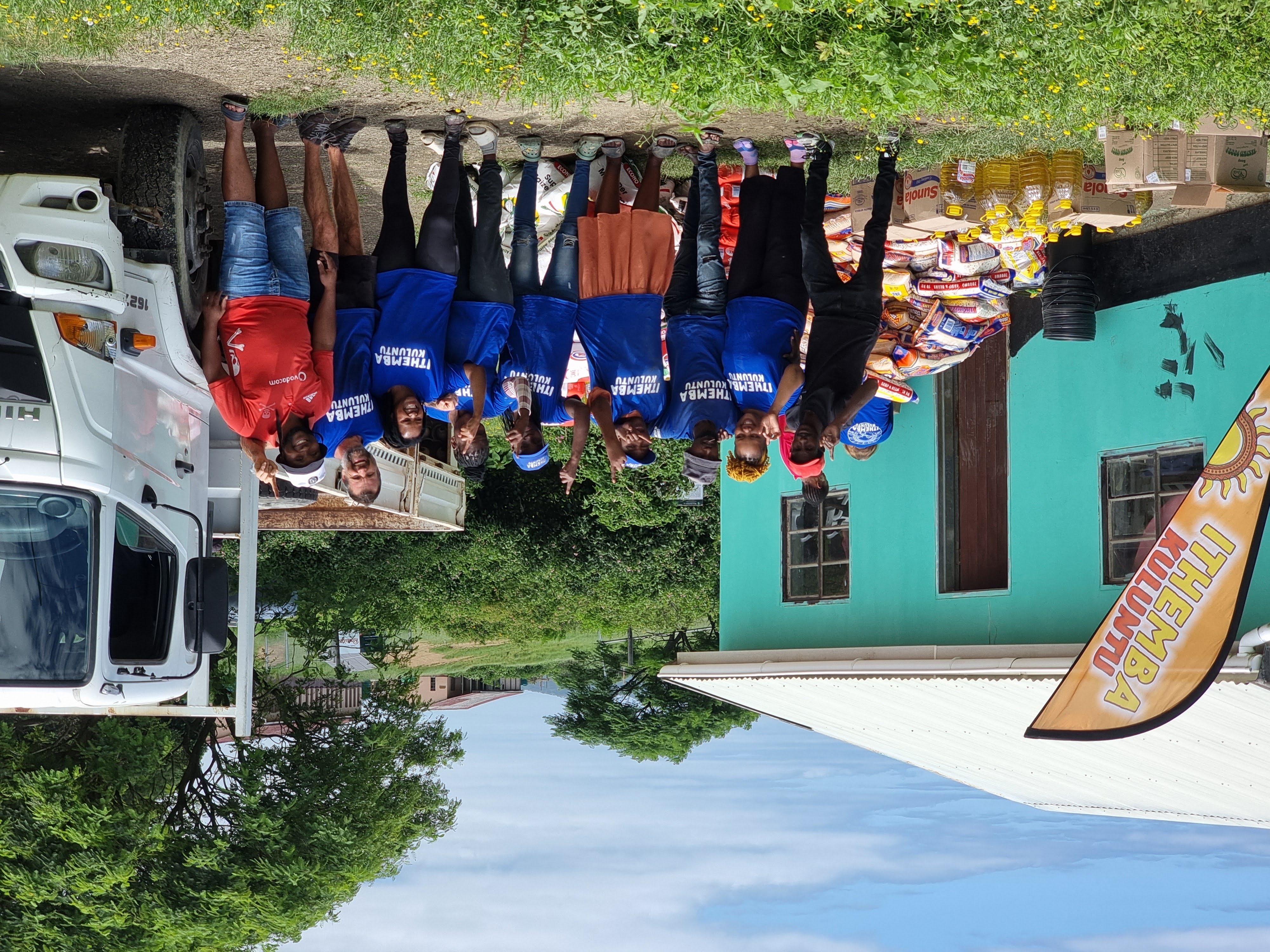
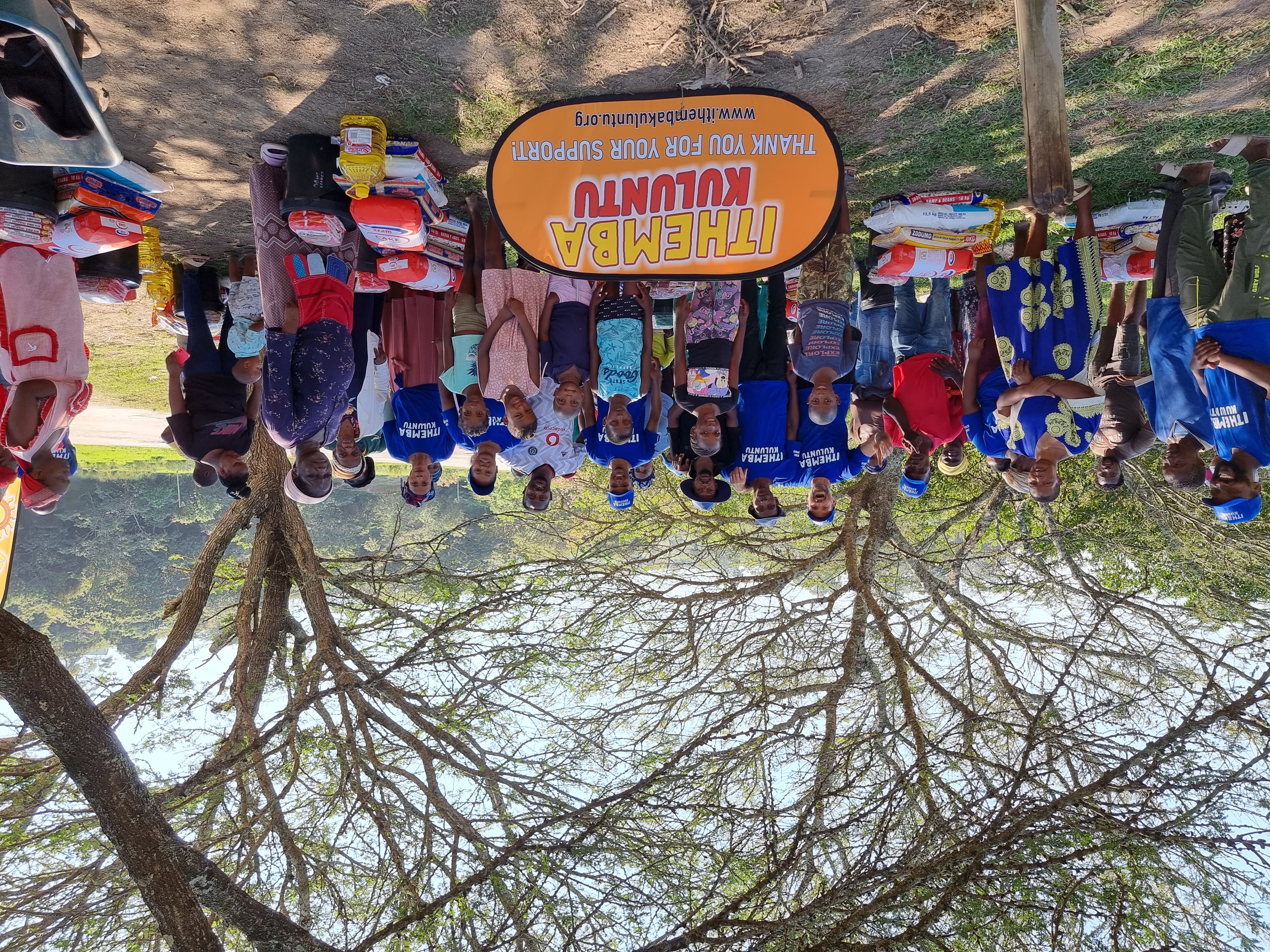
Our food security work supports vulnerable families through practical, direct food assistance. This includes monthly food hampers for households in need, meals prepared through a local soup kitchen, and the daily feeding programme at the iThemba Kuluntu No.1 ECD Centre.
The project is rooted in local knowledge. Our team understands which households are under pressure, which families need urgent support, and where practical food assistance can make an immediate difference.







food support matters
Food insecurity affects every part of family life. When food is not guaranteed, children struggle to learn, caregivers carry constant stress, and families are forced to make difficult choices.
In rural communities, even basic food access can become difficult. Families may live far from shops, have limited transport, face unstable income, or depend on support from relatives who are also struggling.
Food Security responds to this reality with practical help. It is not complicated. It is about making sure families have food when they need it, and that children are not expected to learn, grow or play while hungry.
For iThemba Kuluntu, food support is part of dignity. It is part of care. It is part of standing with families through difficult seasons.
Food hampers for vulnerable families
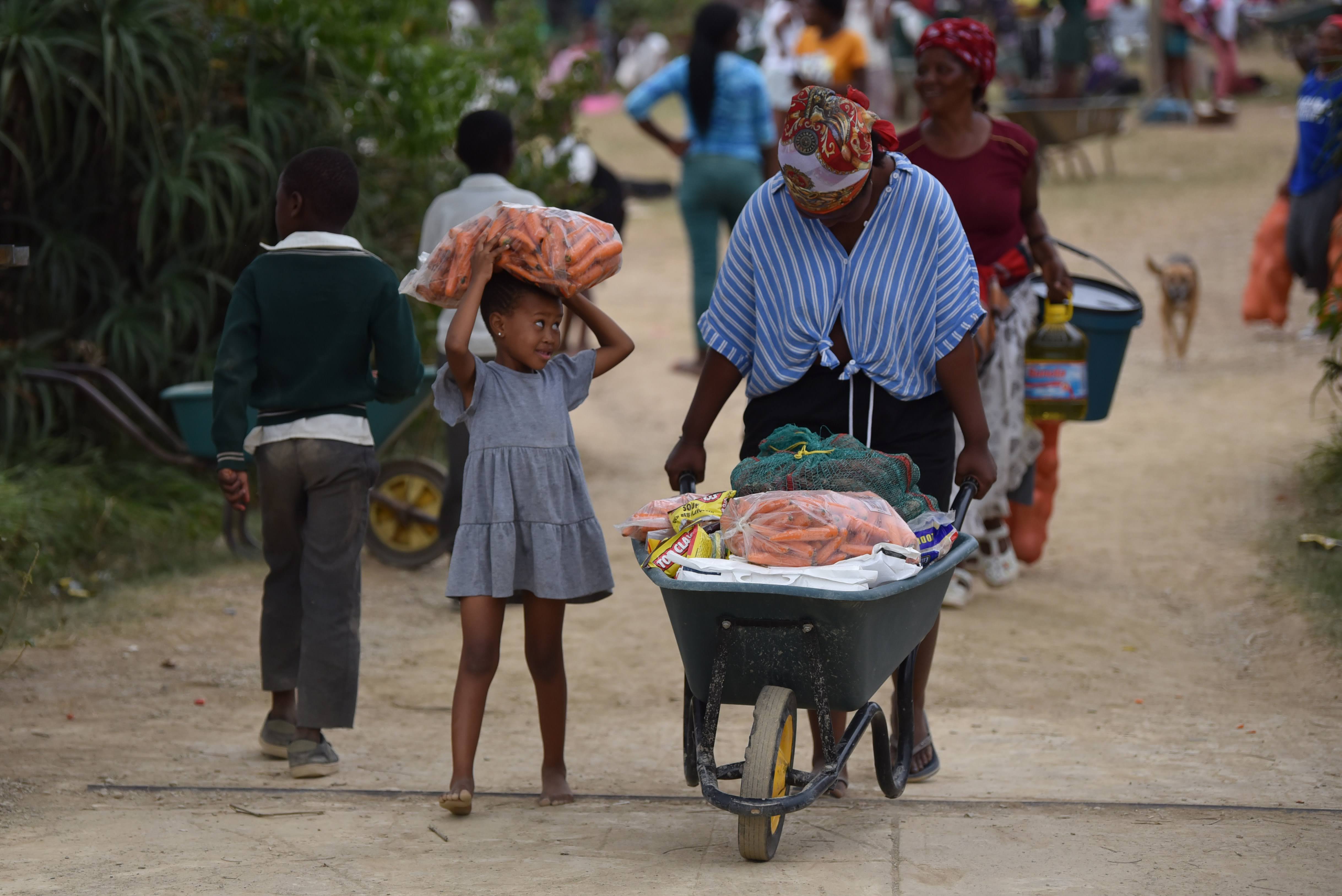
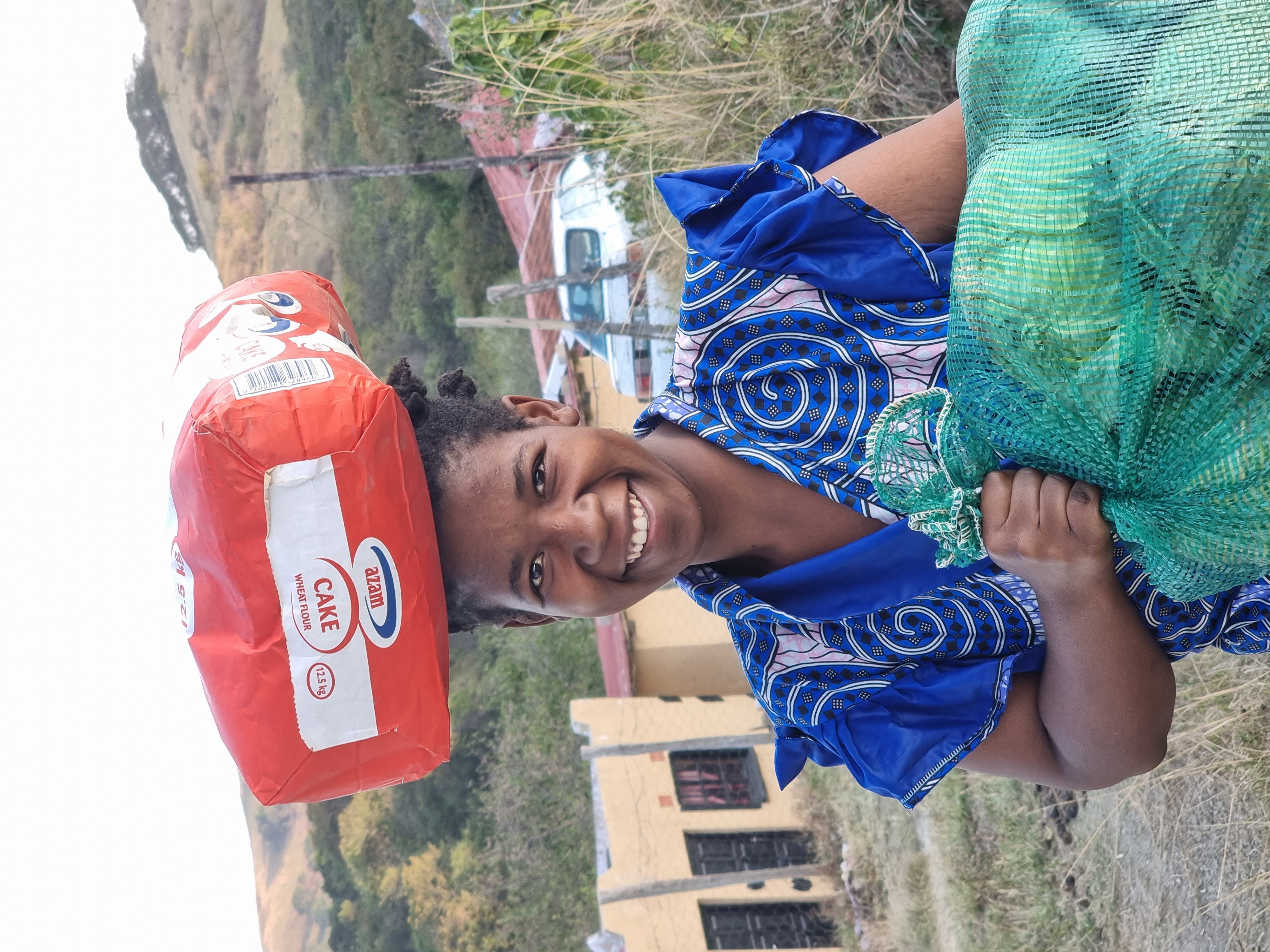
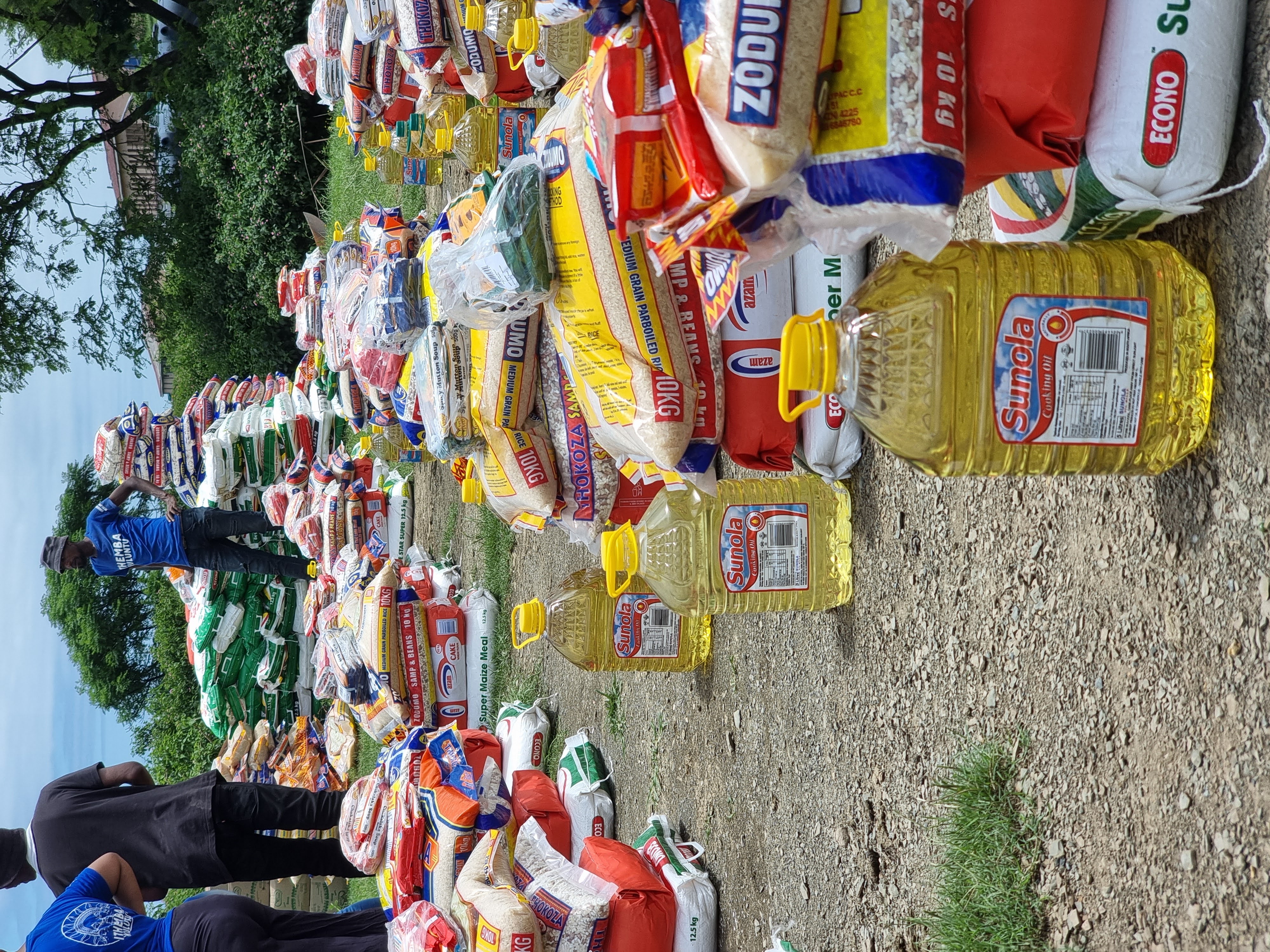
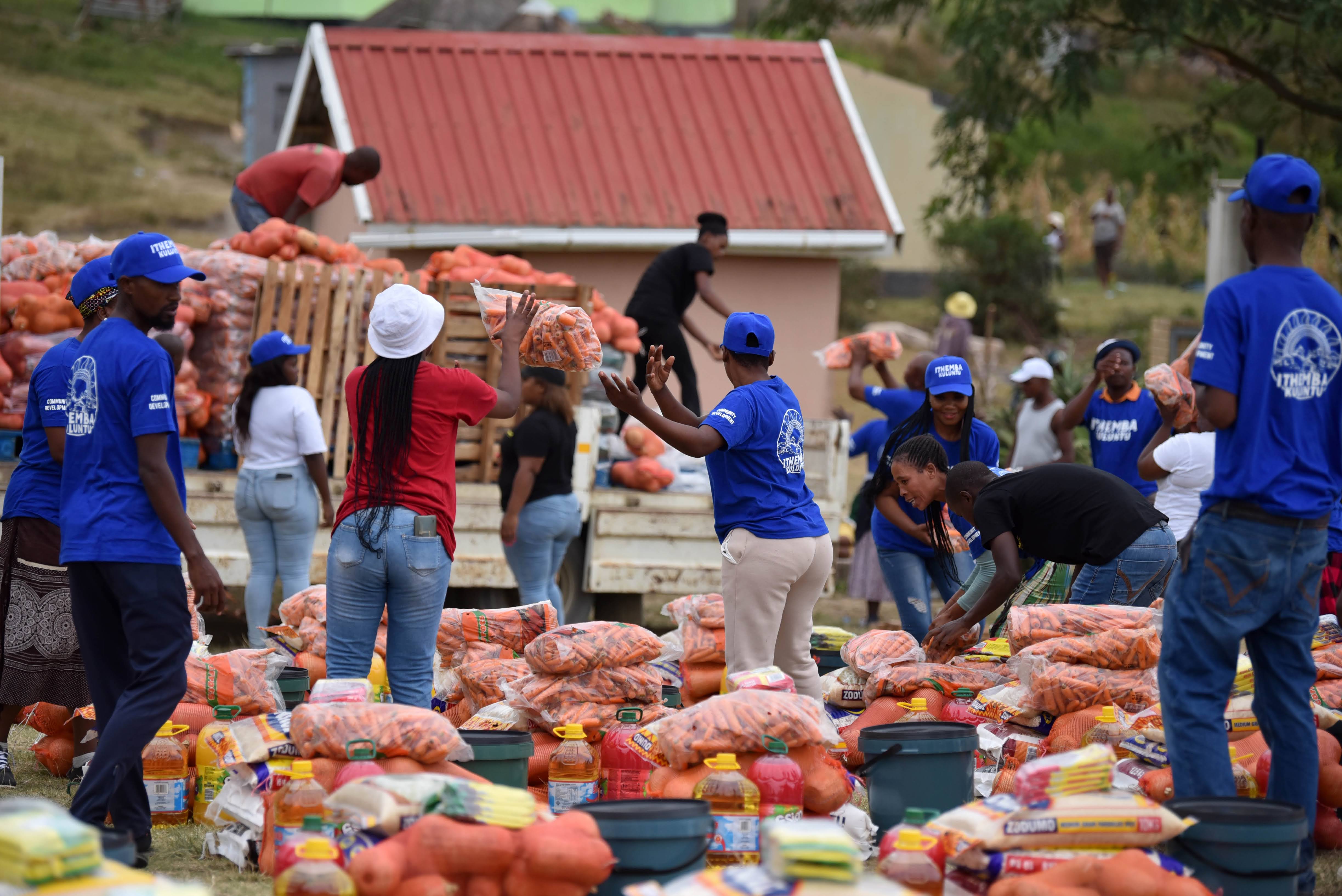
Every month, iThemba Kuluntu supports vulnerable households with food hampers.
These hampers help families get through periods when food is not guaranteed. They are especially important for households facing unemployment, illness, crisis, disability, old age, child-headed or caregiver-led households, and other forms of vulnerability.
The food hampers are practical and direct. They help reduce immediate pressure and give families basic support they can use at home.
This monthly support is possible because of donations, partnerships and local coordination. Consistency matters because hunger does not happen only once.
A soup kitchen run by local women volunteers
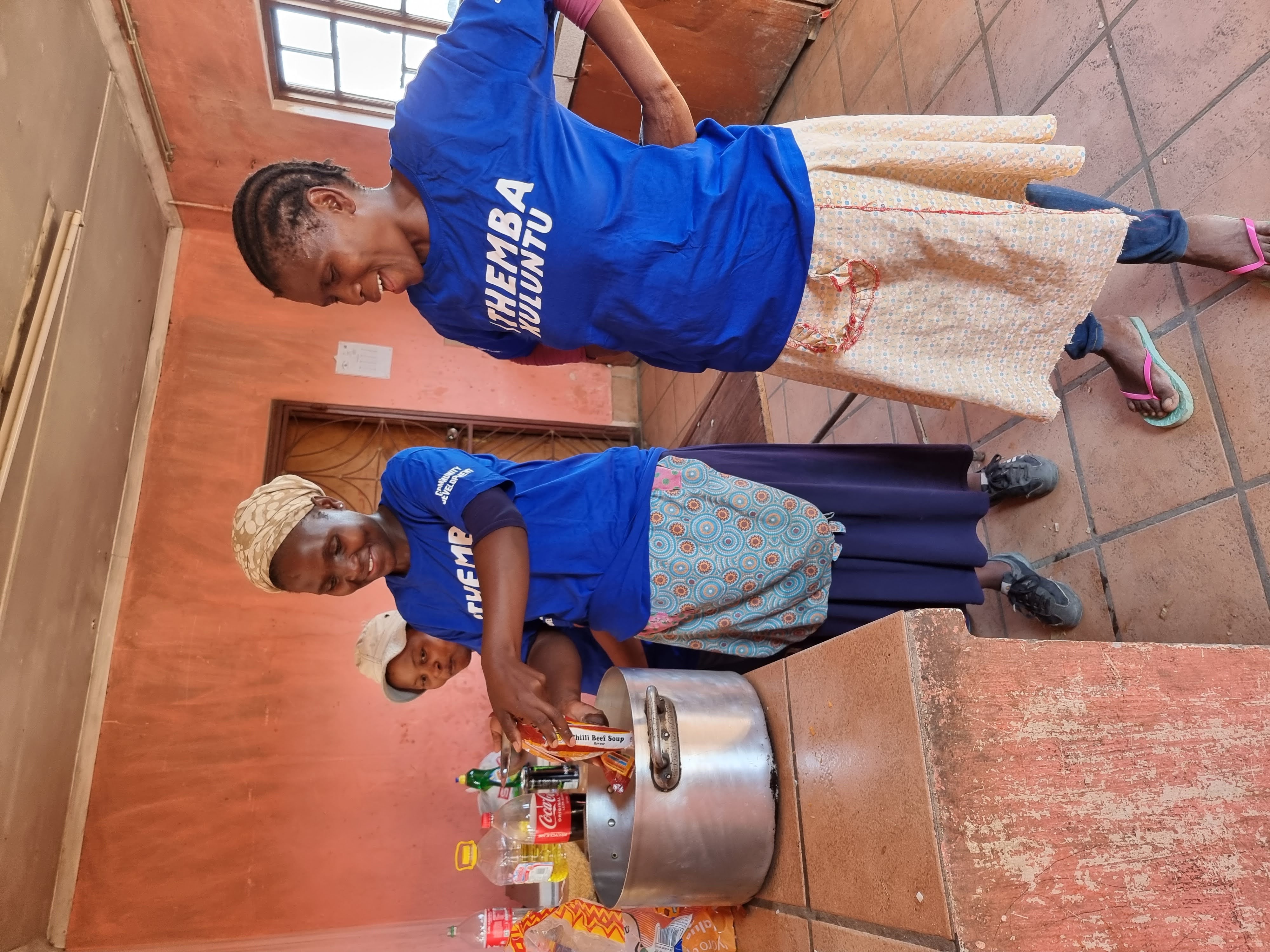
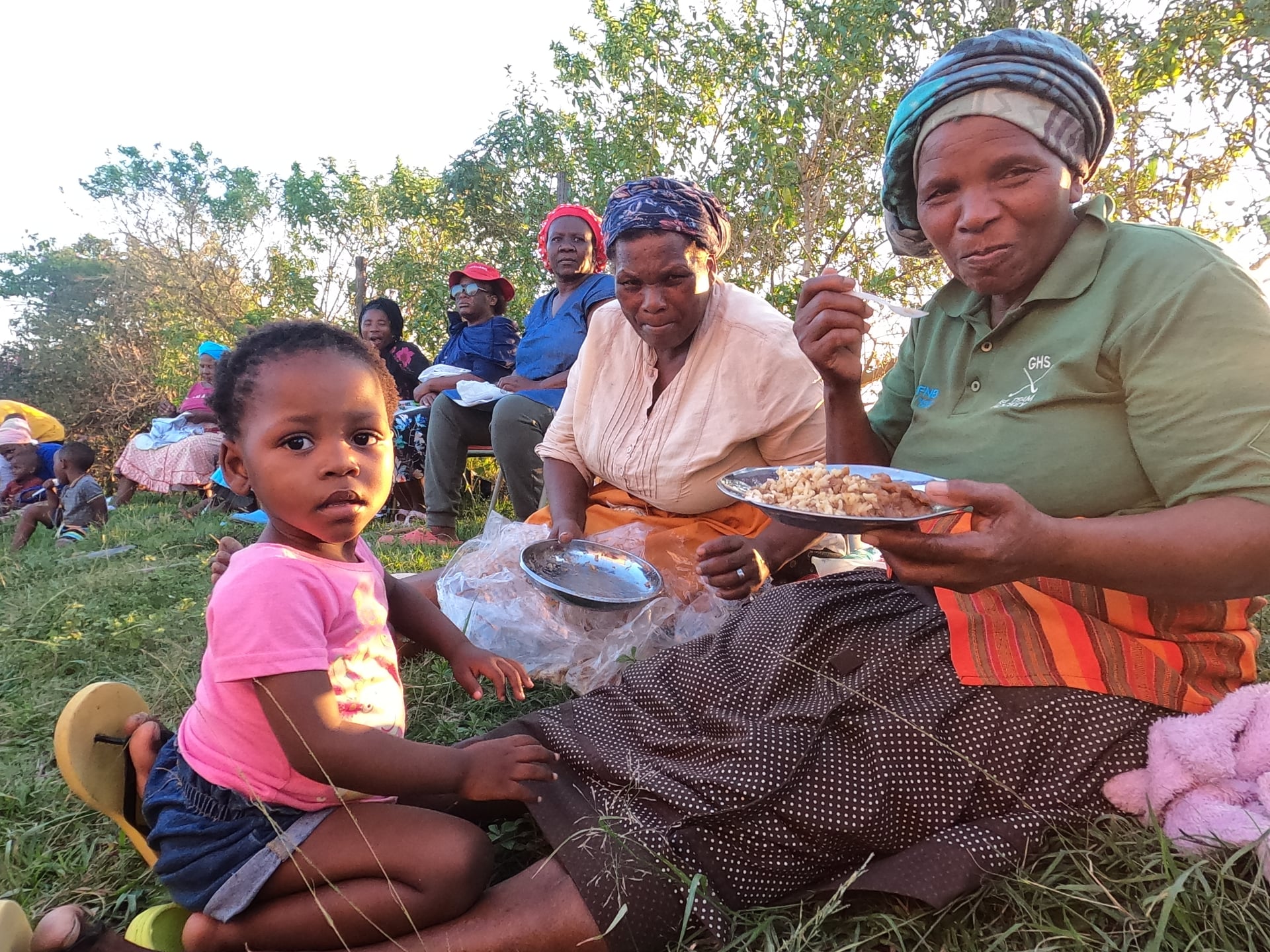
The soup kitchen is one of the most community-rooted parts of iThemba Kuluntu’s food security work.
Local women volunteers help prepare and serve meals for people who need food support. Their work is practical, generous and deeply connected to the community.
The soup kitchen provides more than a meal. It creates a place of care, presence and response. It shows how community members can stand together when families are struggling.
This work also reflects one of iThemba Kuluntu’s core beliefs: solutions are strongest when they are carried by local people who understand the realities around them.
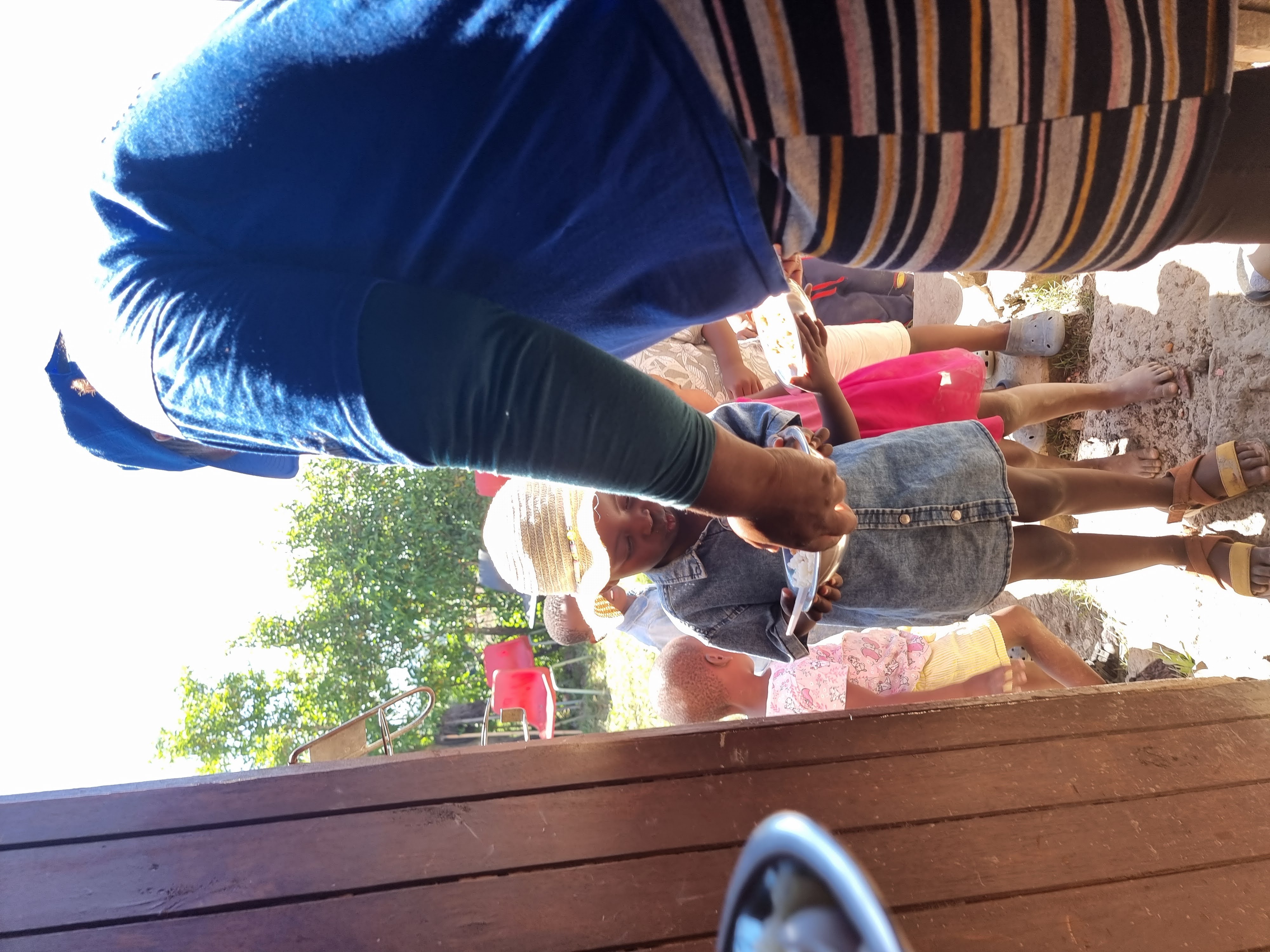
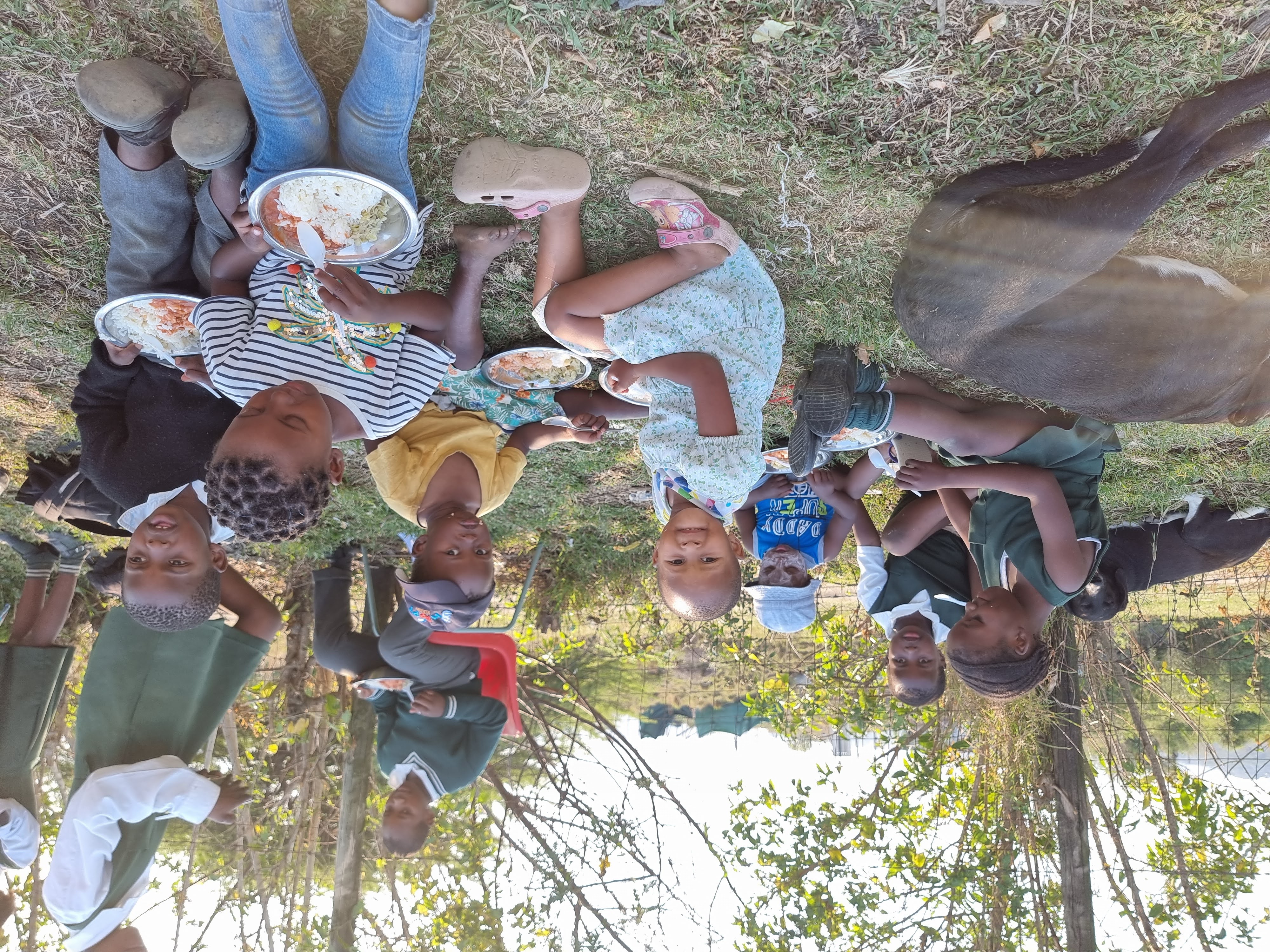
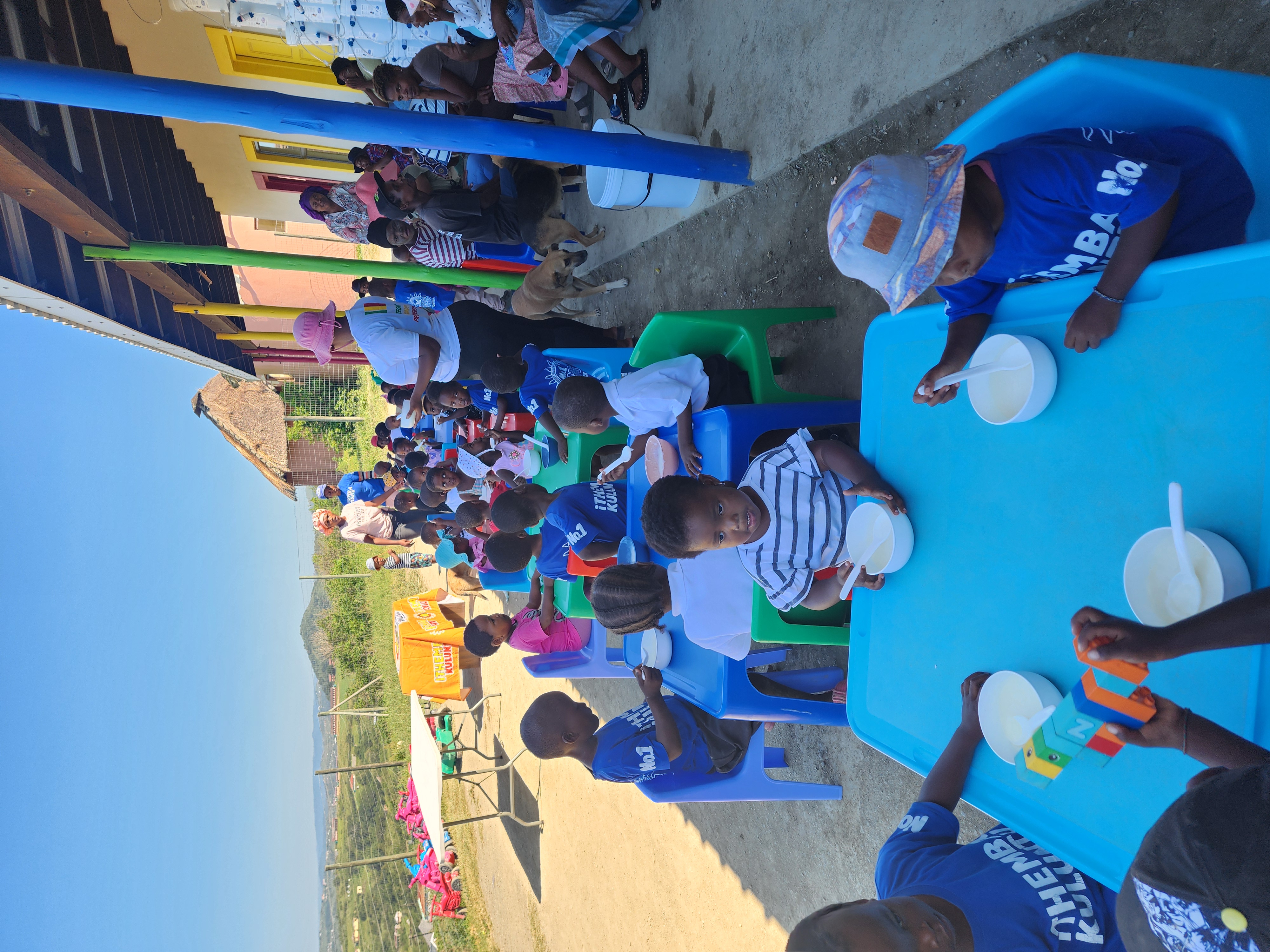
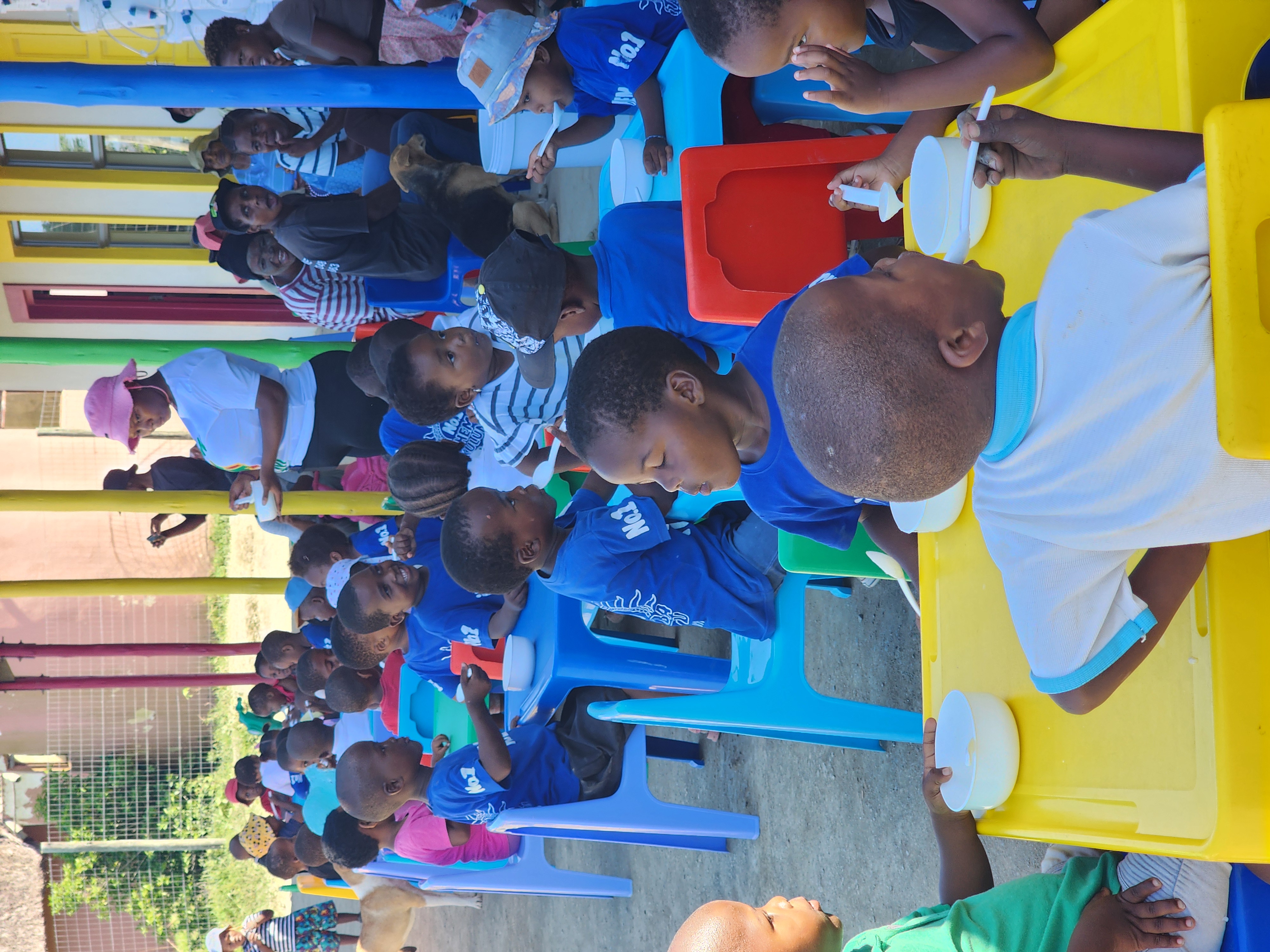
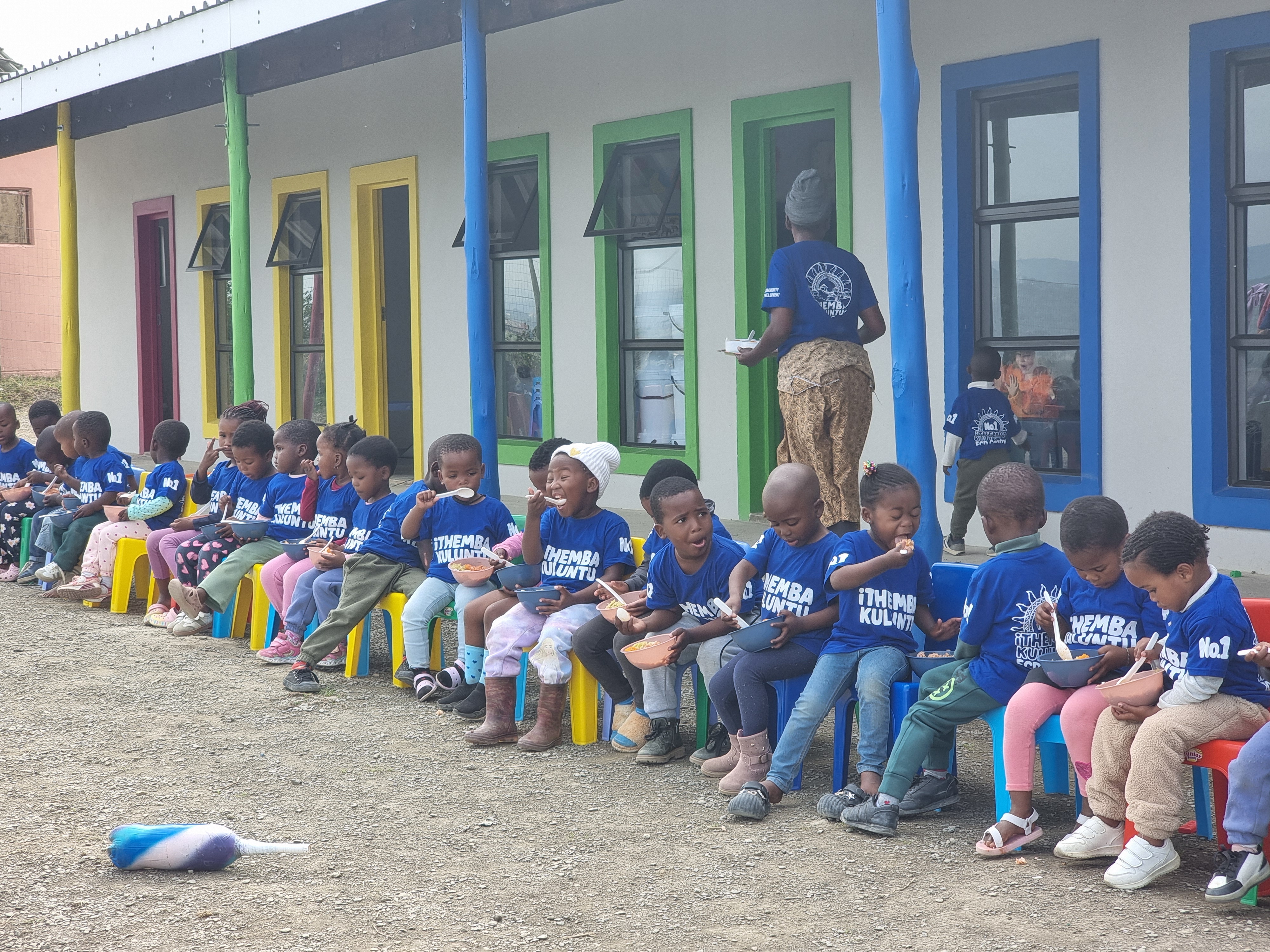
Daily meals for children at the No.1 ECD Centre
Food security is directly connected to the iThemba Kuluntu No.1 ECD Centre.
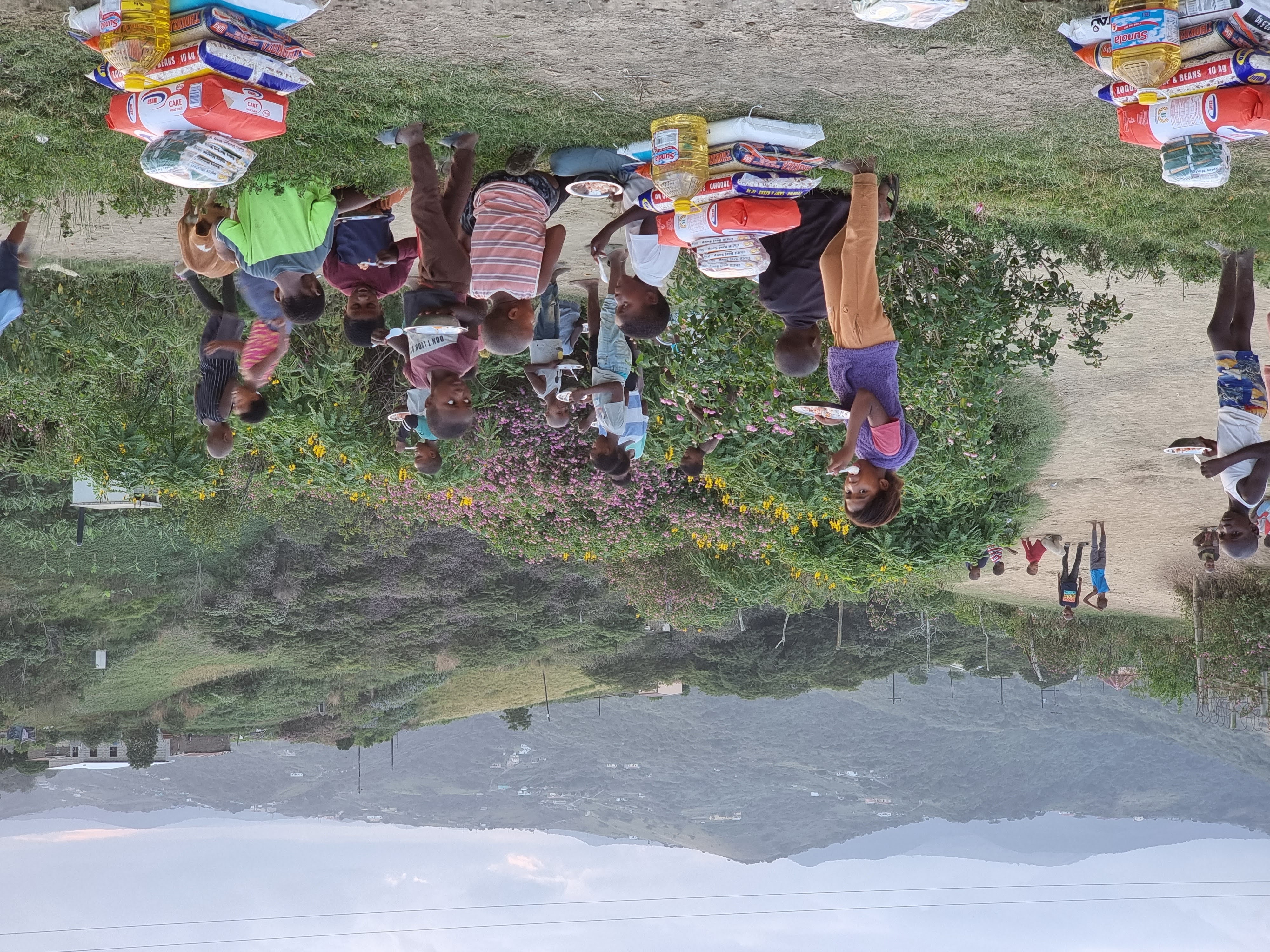
At the No.1 ECD Centre, 120 children receive daily care, early learning, play, rest and meals. Food is not separate from early childhood development. Children need regular meals to concentrate, feel safe, build routines and grow.
The feeding programme at the ECD Centre helps make early learning possible for children from vulnerable households. It also helps relieve pressure on families who may not be able to provide consistent childcare and daily nutrition on their own.
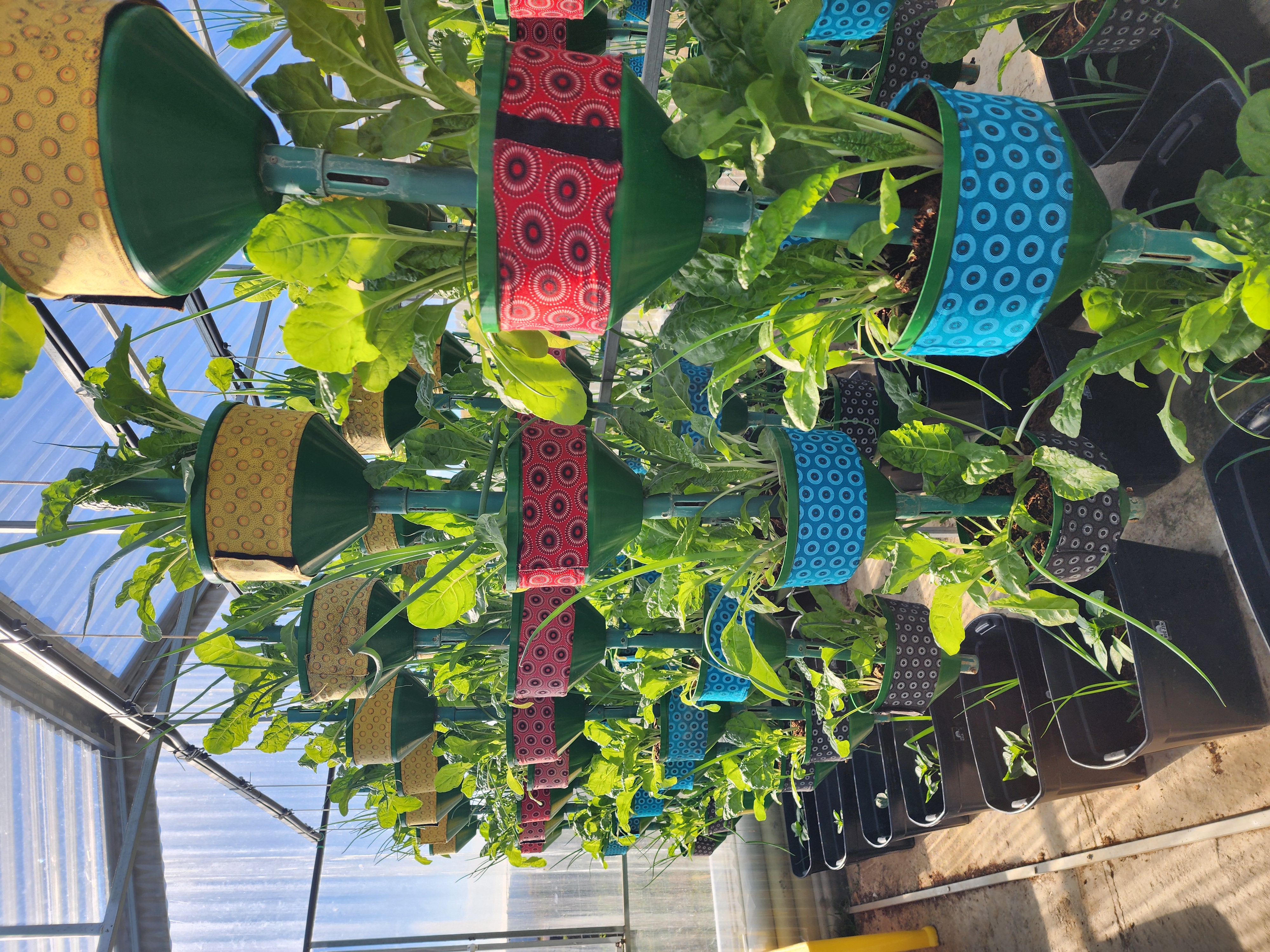
The centre’s meals are also connected to the Greenhouse with SA Harvest, which helps supplement the daily meals with fresh produce grown locally.
Food, learning and care belong together.
Greenhouse produce for child nutrition
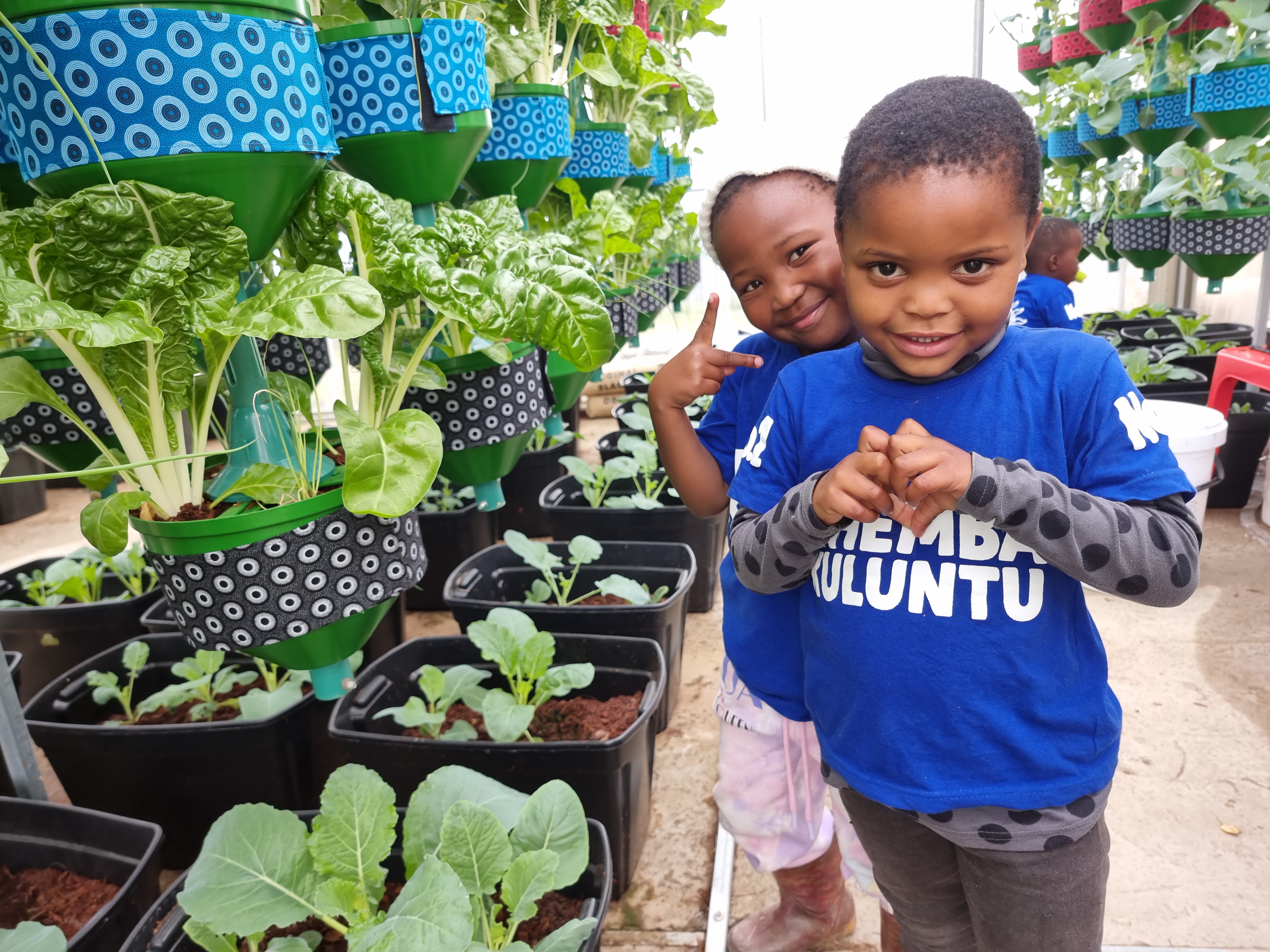
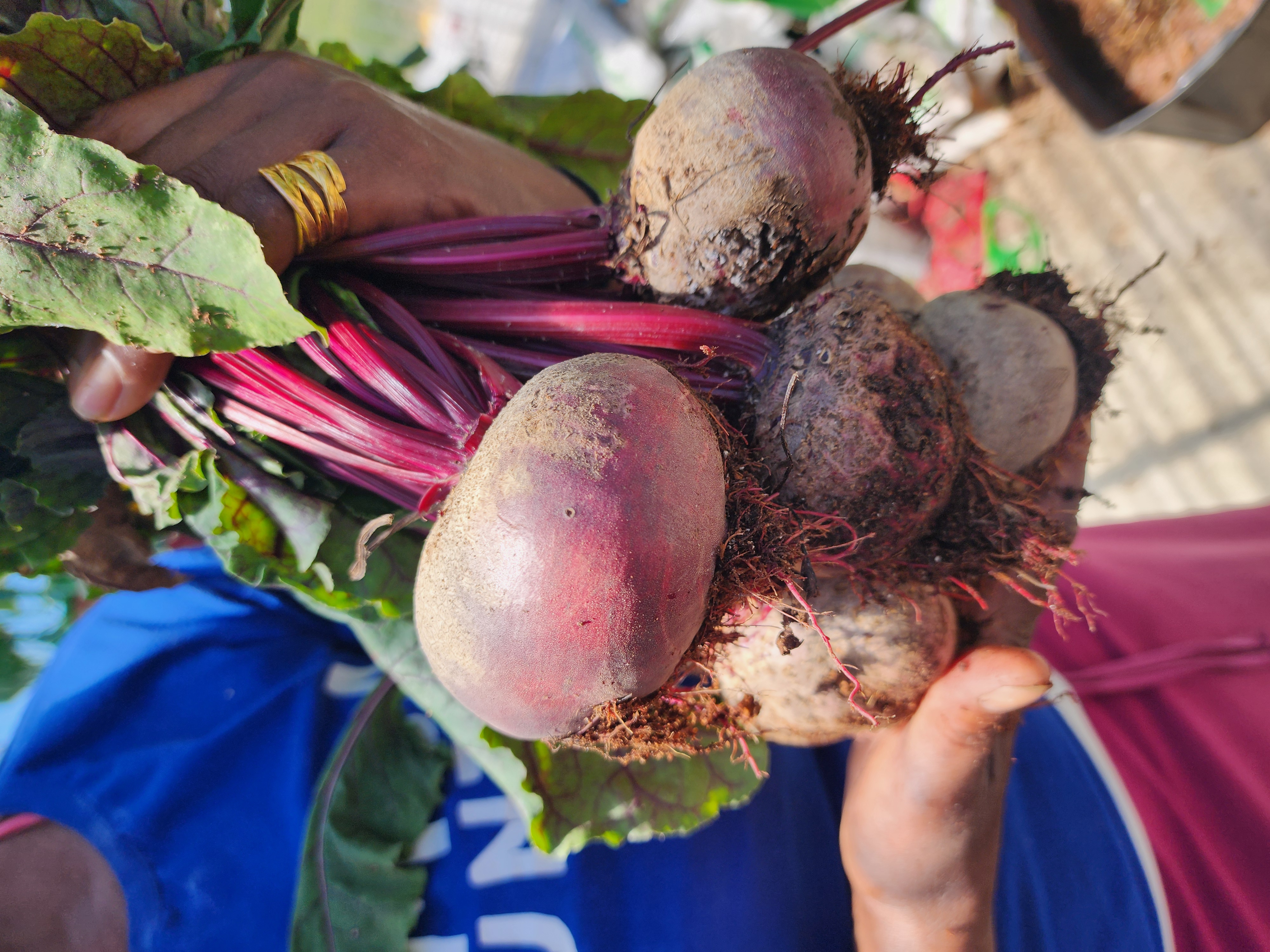
The Greenhouse with SA Harvest strengthens iThemba Kuluntu’s food security work by growing fresh produce close to the community.
The greenhouse is connected to the No.1 ECD Centre and helps supplement the daily meals for 120 children. This means food security is not only about emergency support or food parcels. It is also about building local food systems that can support children and families over time.
Through the greenhouse, local women build growing skills while fresh produce supports child nutrition. This creates a practical connection between food security, skills development, early childhood development and community health.
Food security supports the whole family
Food Security connects to several iThemba Kuluntu focus areas.
The project supports food security through direct food assistance. It supports community health because nutrition affects wellbeing. It supports education because children learn better when they are not hungry. It connects to skills and livelihoods through local women’s involvement in cooking, growing and community care. It also connects to disaster relief because food support is often one of the first needs during crisis.
Food security is not separate from family wellbeing. It is one of the foundations that helps children, caregivers and households move through daily life with more stability.
Help keep food support moving
Donations help iThemba Kuluntu keep food support practical, regular and community-rooted. Your support can help provide:




A donation to Food Security helps provide practical care where it is needed most. It helps families get through difficult periods and helps children receive the nutrition they need to learn, grow and feel safe.
What your support helps make possible
Real numbers from communities we walk with, built through practical care, local trust and long-term commitment.



Help families access food each month
Food security needs consistency. Families need food not only during visible emergencies, but throughout the ordinary months when income is low, prices rise and support is difficult to find.
Monthly giving helps iThemba Kuluntu plan ahead. It helps keep food hampers, soup kitchen meals and ECD Centre feeding more stable.
Help keep families and children nourished
Food Security exists because no child should be expected to learn hungry, and no family should face hardship without practical support.
Your donation helps provide food hampers, soup kitchen meals and daily nutrition for children at the No.1 ECD Centre. It helps keep care moving in a way that is practical, local and rooted in dignity.