

A stronger start for 120 children
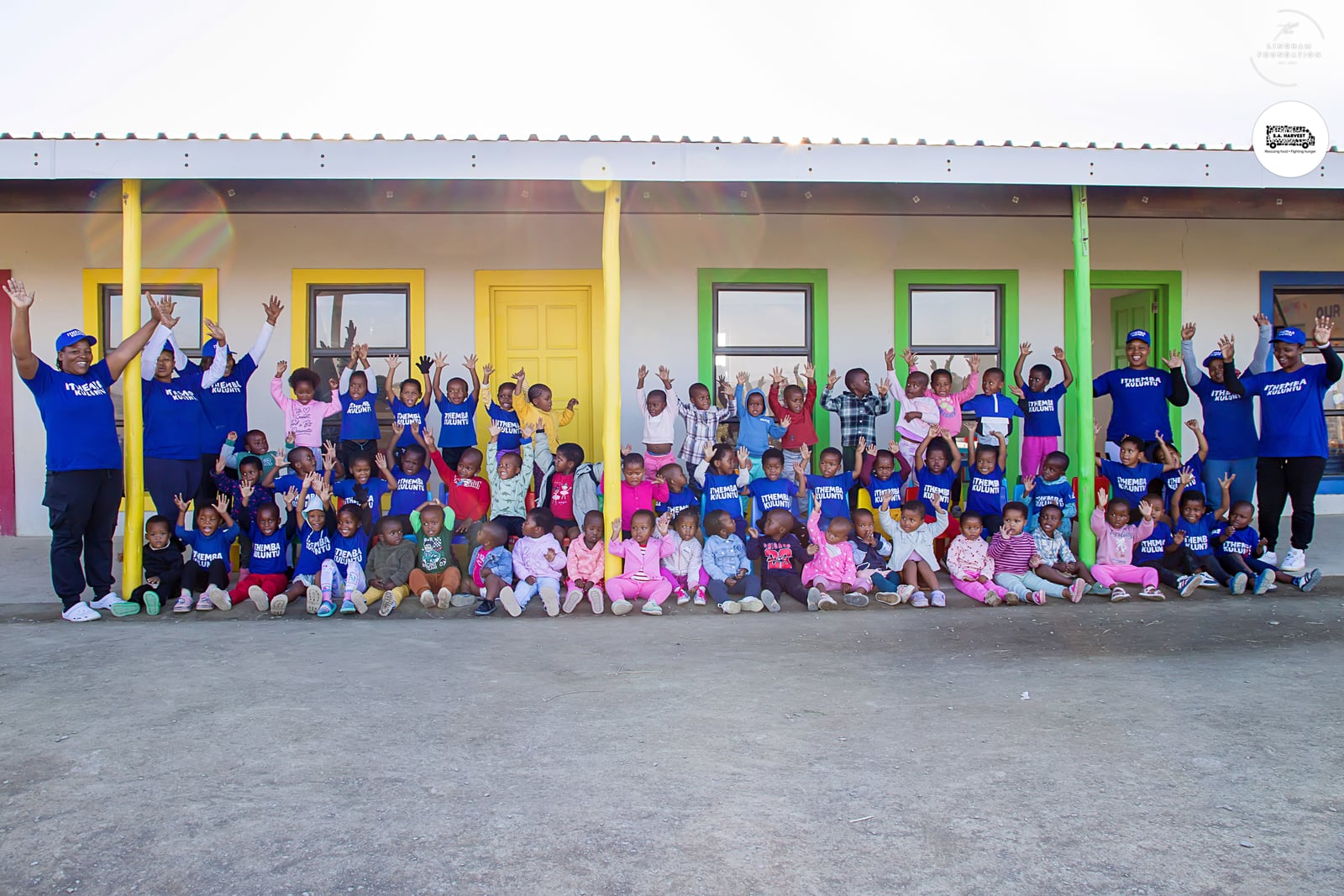
The No.1 ECD Centre opened its doors in 2025 to provide free early childhood development support for children from vulnerable households in Cwebeni and surrounding communities.
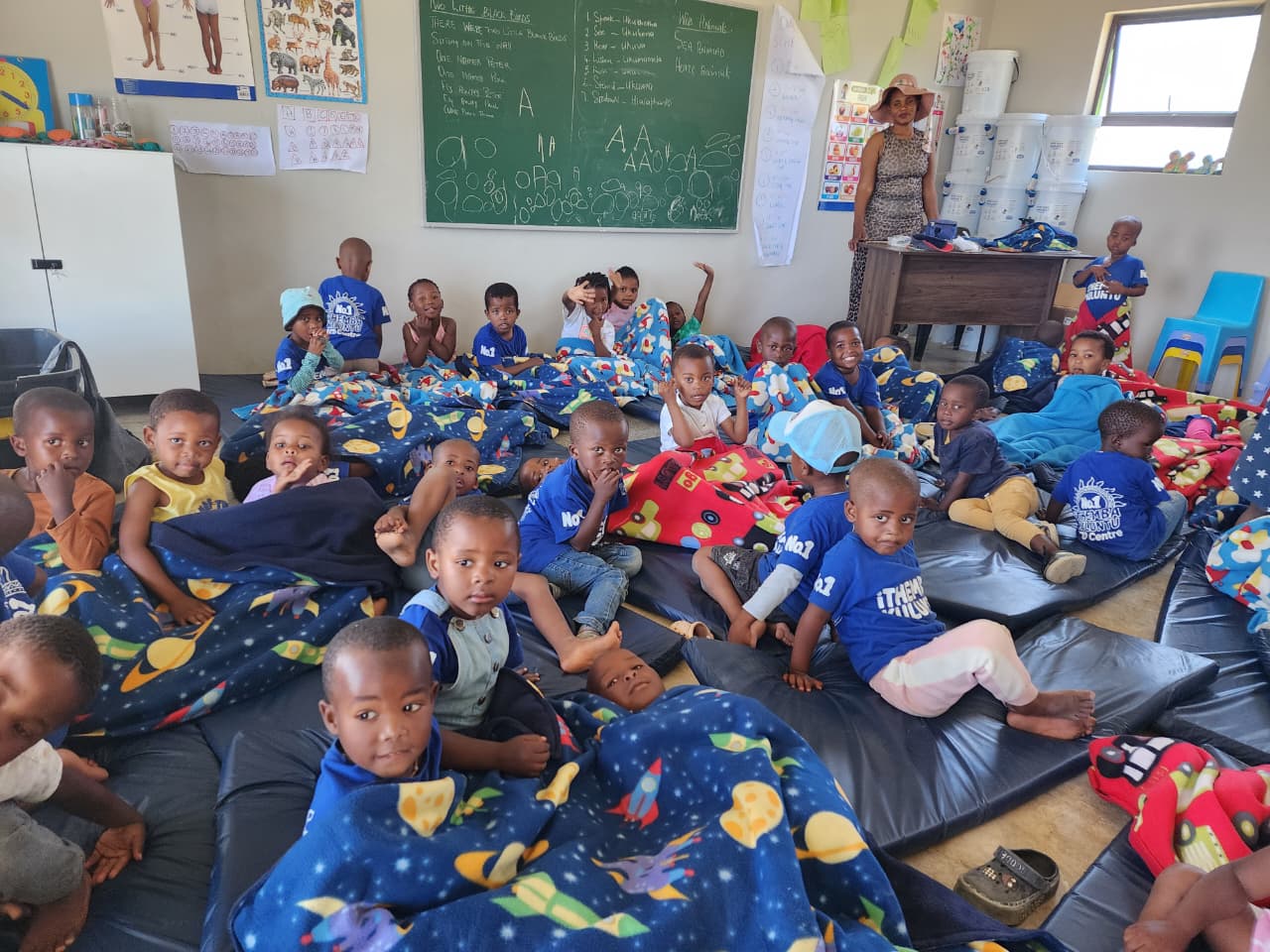
For children between birth and five years old, the centre offers what was previously missing in the community: a safe place to learn, play, eat, rest, build routines and prepare for Grade R and formal schooling.








it matters
Before the No.1 ECD Centre, many young children in the community had no dedicated early learning space where they could prepare for school in a safe, caring and structured environment.
For families living with poverty, transport barriers and limited access to paid childcare, early learning is often out of reach. This means children can arrive at school without the routines, language stimulation, play-based learning, nutrition and emotional security that help them feel ready to learn.
The No.1 ECD Centre changes that daily reality. It gives children a safe and joyful place to belong. It gives caregivers support. It gives local women paid roles and training. It gives the wider community a foundation for stronger learning outcomes in the years ahead.
This is not only childcare. It is early learning, nutrition, safety, local employment and community development working together.
Learning begins long before school
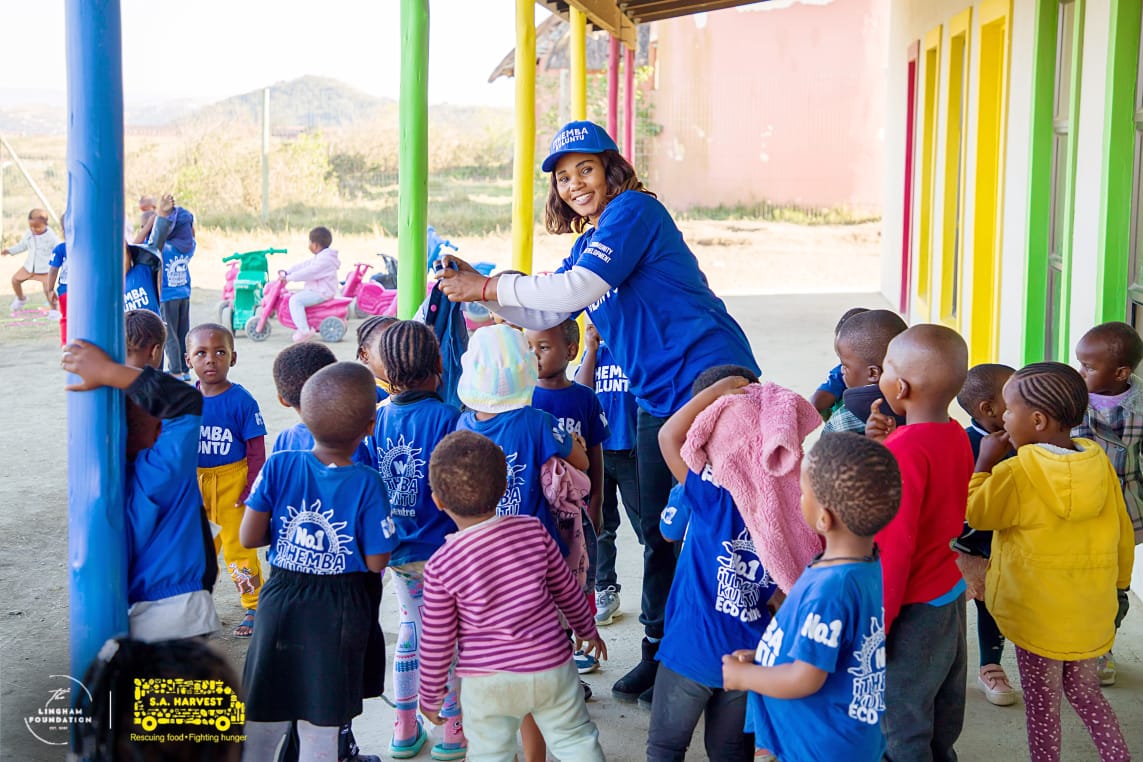
The first years of life are a critical period for brain development. During this time, young children build the foundations for language, movement, emotional regulation, social confidence, problem-solving and later learning.
Children do not only learn through formal lessons. They learn through play, rhythm, stories, songs, movement, conversation, routines and caring relationships. When children are nourished, safe and supported early, they are better prepared to enter school with confidence.
ECD is one of the most powerful ways to interrupt cycles of disadvantage. A child who receives early stimulation, daily nutrition, responsive care and school-readiness support has a stronger foundation for learning — and that foundation can influence families and communities for generations.
For Cwebeni, the No.1 ECD Centre is a first step toward making early learning accessible to children who would otherwise be left behind before school even begins.





From infrastructure to daily care
In 2024, FNB Care made the decision to sponsor the infrastructure for the ECD building. That support helped turn a long-held community need into a real, physical centre for children.
The building was completed in April 2025. After the necessary registration and legal steps required to operate an ECD centre in South Africa, the No.1 ECD Centre opened its doors to children in 2025.
The centre now stands as a place of daily care and learning. It is not only a building. It is a safe environment where children are welcomed, fed, taught, comforted, encouraged and prepared for the next step in their education.
- 30 August 2024Local women begin ECD teacher training supported by FNB Care.
- October 2024Construction of the ECD infrastructure begins.
- March–April 2025ECD teachers take part in further workshops and practical preparation.
- April 2025The ECD building is completed.
- May 2025The No.1 ECD Centre officially opens its doors.
Training and employing women from the community
The No.1 ECD Centre is built on the belief that communities are strongest when solutions are carried by people from within the community itself.
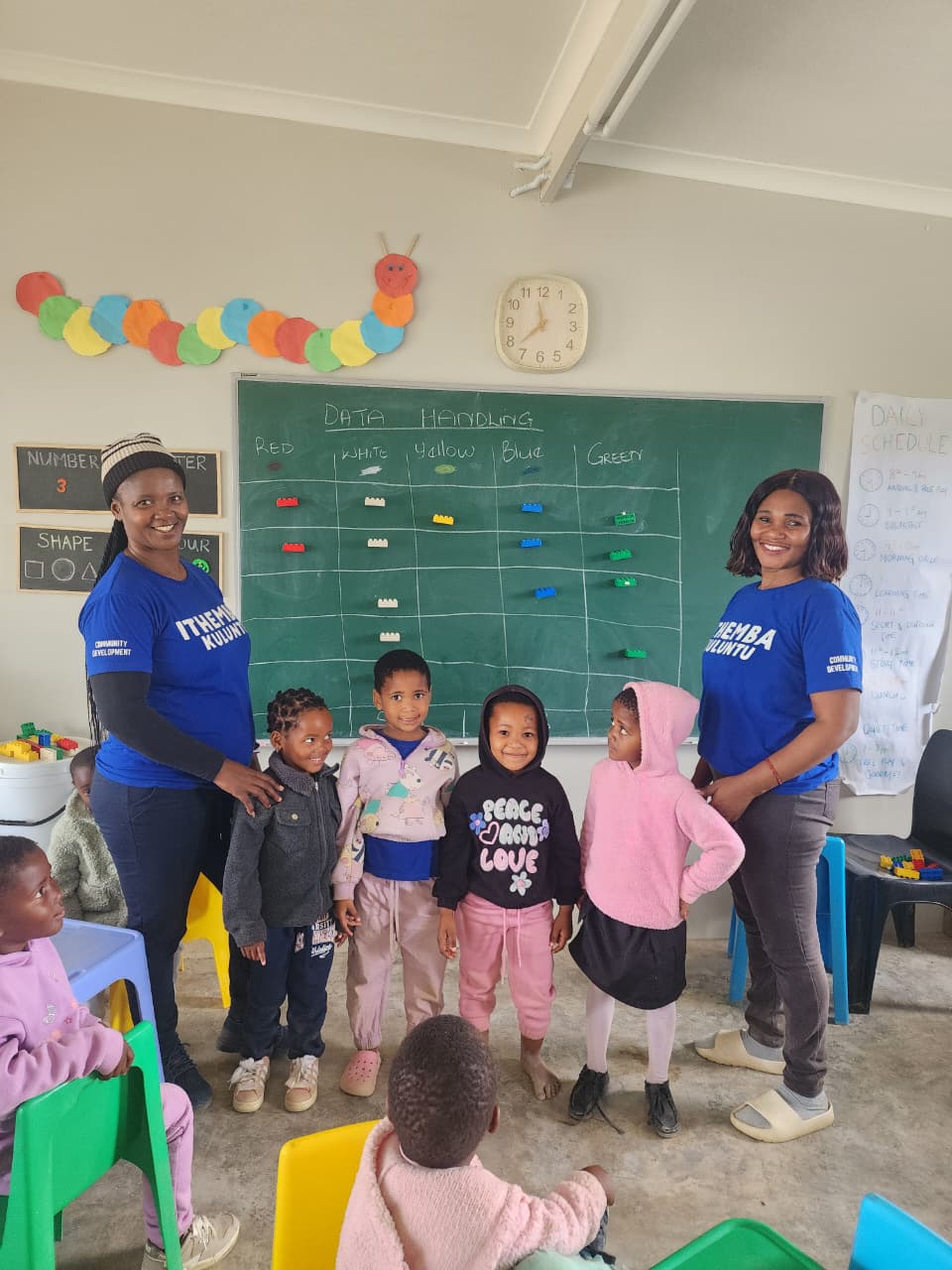
Between 2024 and 2025, local women were trained to become ECD teachers and support young children in their own community. Today, the centre employs local teachers, cooks, carers, cleaners and support staff.
This matters deeply. The centre does not only serve children — it also creates paid work, skills development and leadership opportunities for women in the community.
Children are cared for by people who know their language, families, culture and daily realities. That local trust makes the centre stronger.
Care, learning, food and safety every day
Every day at the No.1 ECD Centre is built around children's real needs: nourishment, safety, stimulation, rest, routine, play and love.


Nutrition is part of school readiness
Children cannot learn well when they are hungry. At the No.1 ECD Centre, food is part of the learning model.
Every child receives breakfast, lunch and snacks. These meals help children concentrate, build routine and feel cared for throughout the day.
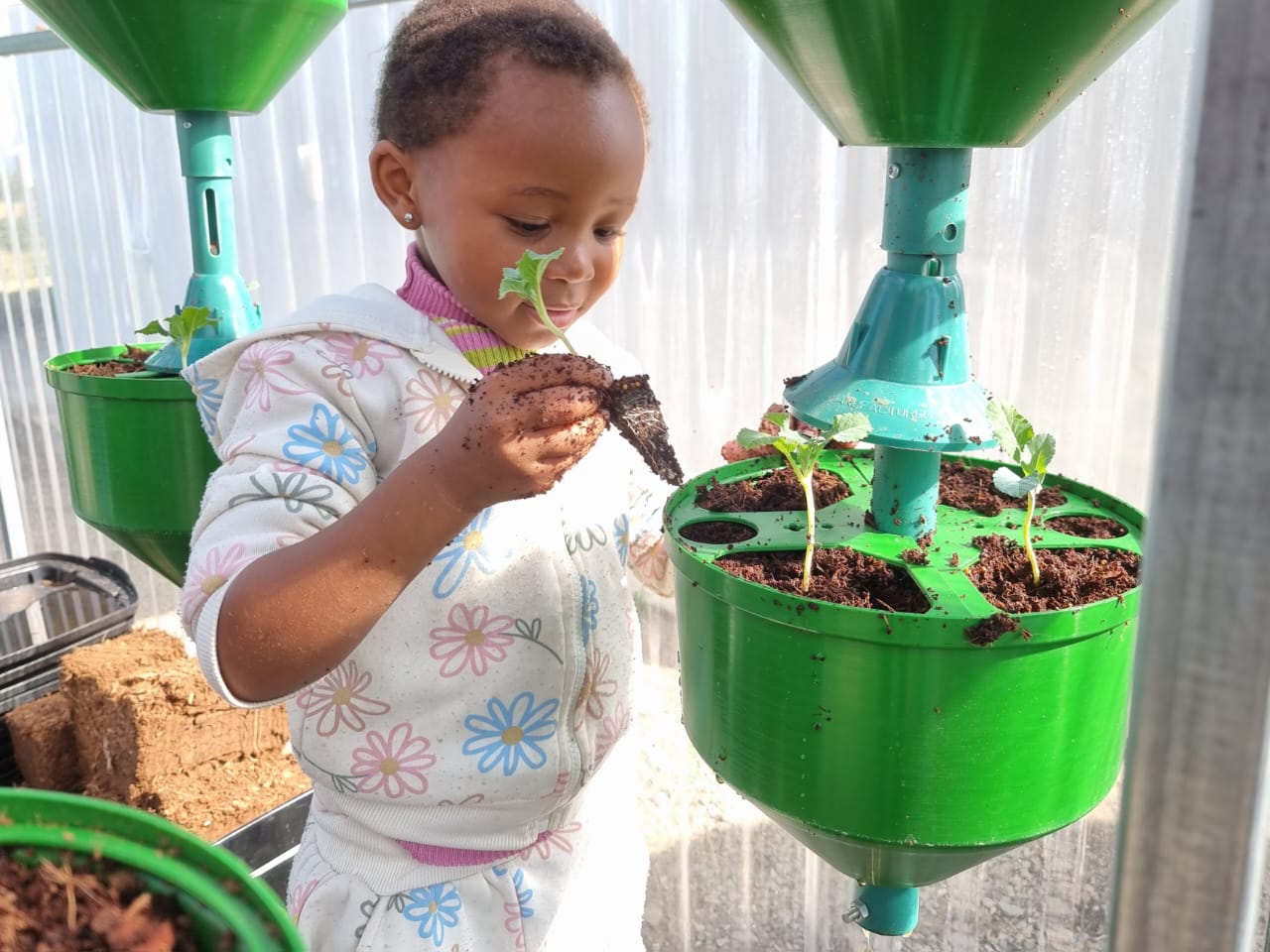
The centre is also connected to iThemba Kuluntu's wider food security work and the Greenhouse with SA Harvest. This connection matters because early childhood development is not separate from nutrition, household stability or community resilience.
When children are fed, safe and stimulated, learning becomes possible.
One centre, many layers of impact
The No.1 ECD Centre sits at the heart of several iThemba Kuluntu focus areas.
The centre supports education through early learning. It supports food security through daily meals. It supports local livelihoods by employing and training women from the community. It supports community health through routine, care, nutrition and safe spaces. Through its connection with PureFlow Amanzi, safe water and hygiene education can also become part of daily child and family wellbeing.
This is why the centre is more than one project. It is a community anchor.



What your support helps make possible
€42 per month helps support one child for a full month of care on ECD operating days.
Keep the centre free for children
The No.1 ECD Centre is free to attend because the families most in need of early learning support are often the families least able to pay for childcare.
Monthly support helps keep the doors open. It helps fund meals, teachers, carers, learning materials, cleaning, care routines and daily operating costs.
A monthly gift does not only support one day. It helps create consistency — and consistency is what children need most.
Help keep early learning free
Every child deserves a safe place to learn, eat, play and grow. In Cwebeni, the No.1 ECD Centre is making that possible — every day.
Your support helps keep the centre free for children from vulnerable households and helps local women continue caring, teaching, cooking and leading within their own community.